Rubber · Guide 01
Choosing Between SBR, NBR, EPDM and Neoprene Rubber
Choose the rubber compound by what it will touch and where it will work before deciding the thickness.
The short version
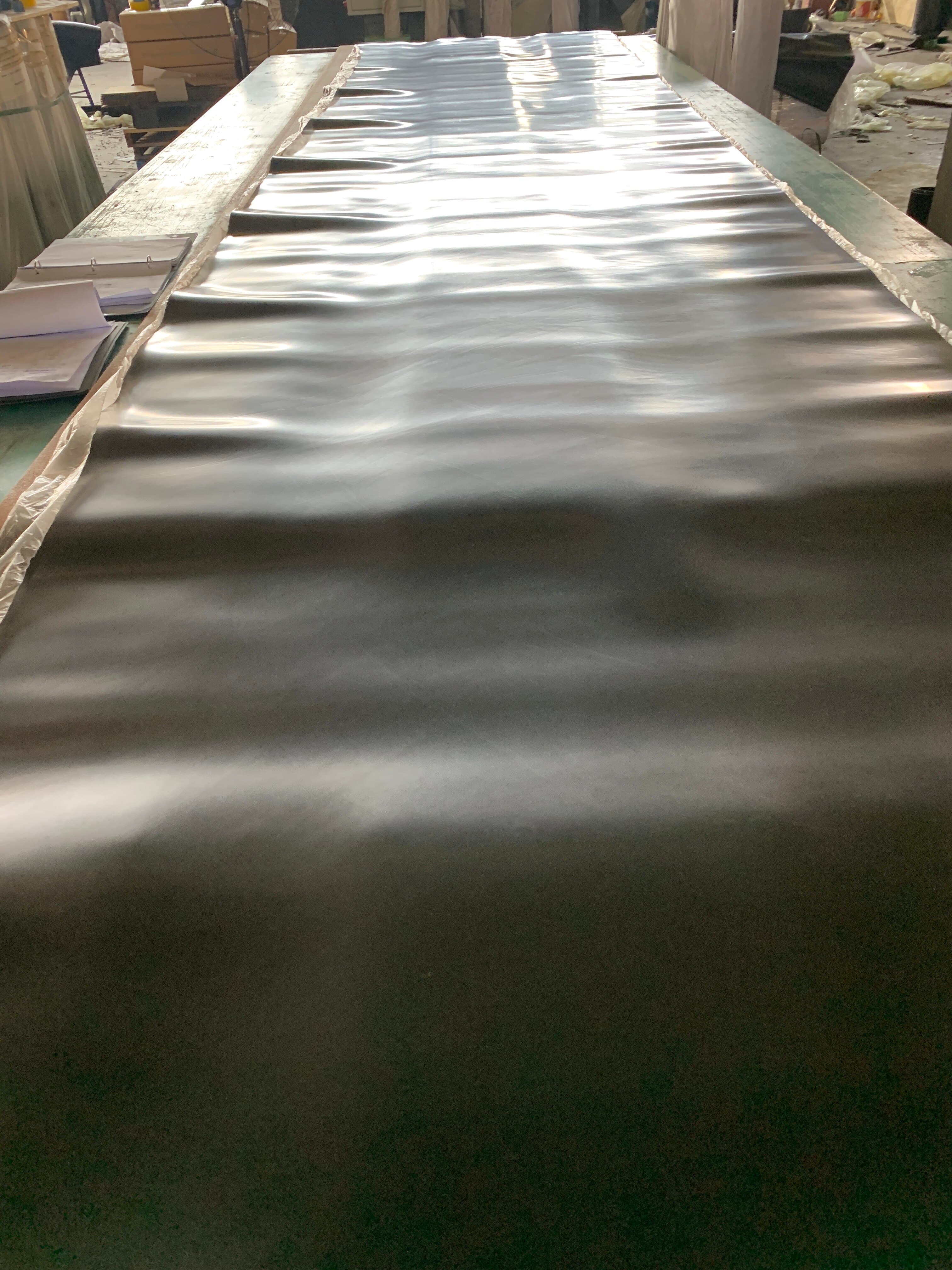
Put four black rubber sheets on the same table and, to many buyers, they can look almost identical. That is exactly how the wrong material gets bought. The real question is not only "how many millimetres?" - it is what the rubber will touch and where it will work.
- SBR - practical general-purpose starting point for indoor protection and light industrial use where regular oil contact and outdoor weather are not the main problem.
- NBR - start here when diesel, fuel, engine oil or grease are part of the normal duty. Fruges' current NBR grade is a commercial nitrile blend, not a premium 100% NBR sheet.
- EPDM - commonly selected where outdoor weather, sun, rain and ozone are the main concern. It is not the first choice for petroleum-oil exposure.
- Neoprene - a balanced commercial option for mixed industrial conditions. Current Fruges neoprene stock includes nylon reinforcement; use NBR instead where oil resistance is the dominant requirement.
Choose the environment before the thickness
A thicker sheet does not rescue the wrong compound. If the rubber is going beside a generator where diesel or engine oil is common, buying a thicker general-purpose sheet can still be false economy. If it will stay outside through sun, rain and harmattan, weather resistance matters. Choose the compound first; then choose thickness and construction.
SBR - the everyday sheet
SBR (styrene-butadiene rubber) is the economical general-purpose choice for many indoor jobs: floor protection, packing areas, lining and light pads. It is most convincing where the job is mainly mechanical protection rather than regular oil resistance or long-term outdoor weather.
Typical Fruges supply: black SBR sheets in 3.0 mm and 5.0 mm, 1.2 m x 10 m rolls. Confirm live availability before specification.
NBR - the oil-focused sheet
NBR (nitrile rubber) is the clearer starting point around diesel, fuel oils, engine oil and grease. Generator surrounds, auto workshops, machine areas and maintenance spaces are typical applications to discuss.
The supplied NBR data rates oil resistance and LP gases/fuel oils strongly, while sunlight resistance is poor. If the same job is oily and permanently exposed outdoors, tell Fruges about both conditions before the material is specified.
EPDM - the weather-focused sheet
EPDM is commonly selected when sun, rain, ozone and outdoor exposure are the main concerns. It should not be treated as the default answer for petroleum-oil exposure.
Neoprene - the balanced reinforced option
Neoprene (chloroprene / CR) is useful when the duty is mixed rather than dominated by one extreme. The supplied grade shows good sunlight resistance with fair weather and oil resistance. Current Fruges neoprene stock also includes nylon reinforcement.
A practical four-question check
- Will the sheet see diesel, engine oil or grease regularly? Start the conversation with NBR.
- Will it live outside in sun and rain? Start with EPDM and confirm the exact grade.
- Is it mainly indoor floor protection, lining or light padding with little oil and little sun? SBR may be enough.
- Is the site mixed, or would reinforced construction be useful? Ask about the current neoprene grade.
Important
If a project requires a named approval, chemical-resistance value or other certification, state the requirement before quotation so the exact live grade can be checked.
Next step
Continue with the right product route
Browse Rubber Sheets or message Fruges Arena with the application, environment, required thickness and quantity. A photo of the working area can help when the duty is unclear.