

PVC · Guide 10
PVC Strip Curtain Thickness and Width: 2 mm vs 3 mm, 200 mm vs 300 mm
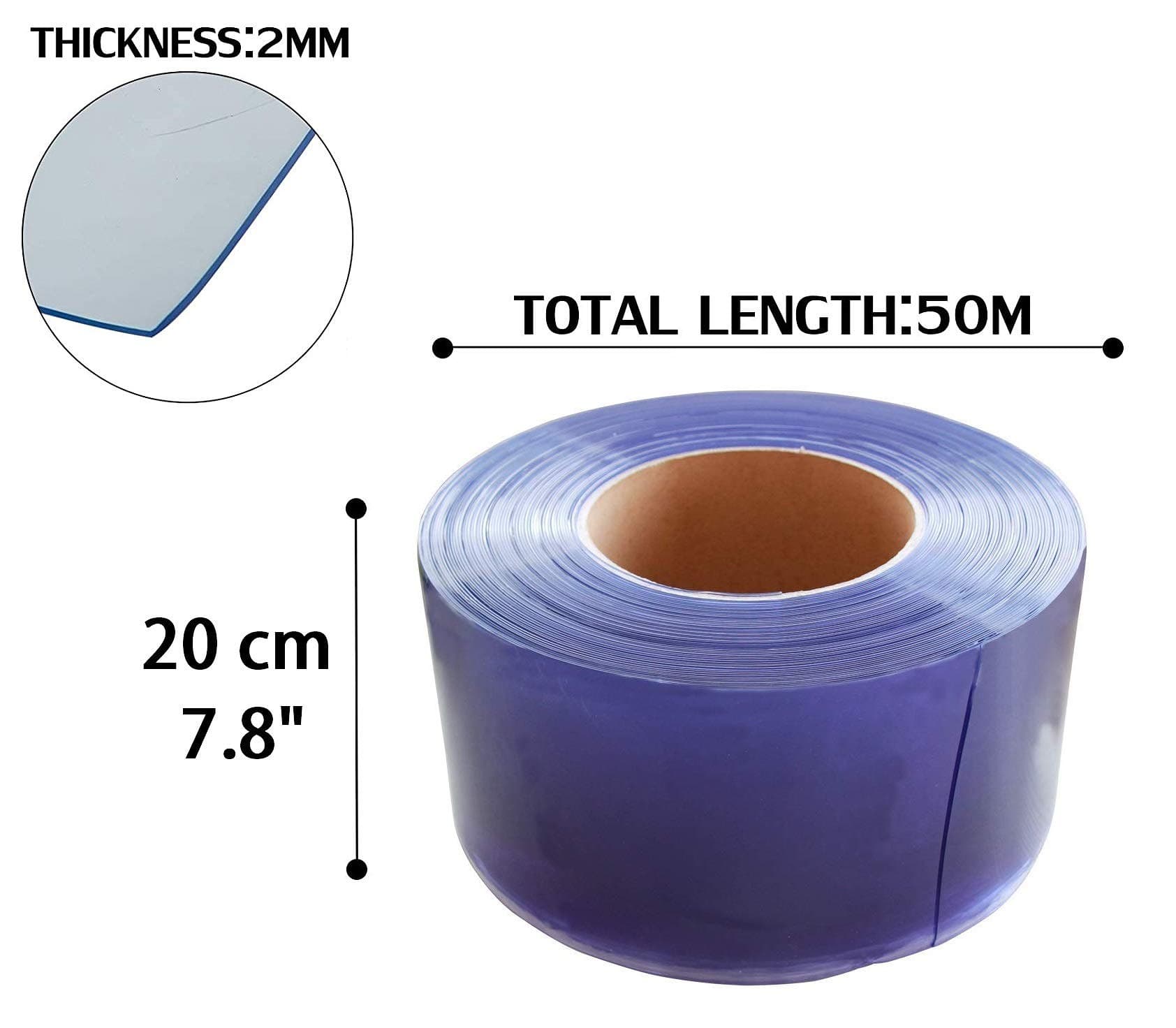
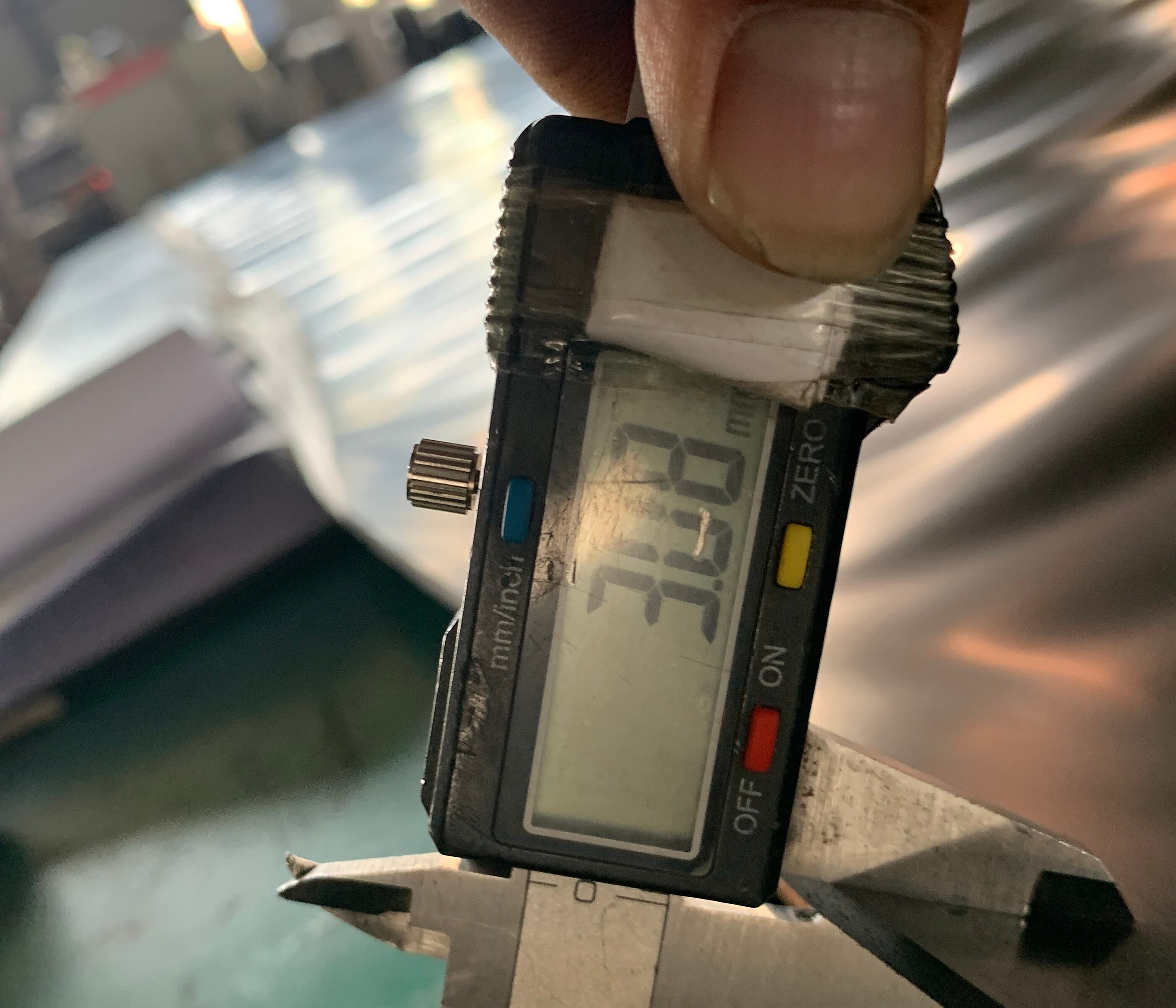
Thickness affects strip body and weight; width affects doorway coverage and overlap configuration.
The short version
- 2 mm x 200 mm - lighter option for pedestrian-oriented openings.
- 3 mm x 200 mm - Fruges' normal general-purpose starting point and a strong default for many industrial openings.
- 3 mm x 300 mm - wider-strip option that may suit larger or more demanding openings where the configuration is appropriate.
Thickness and width do different jobs
Bigger is not automatically better. Thickness affects the body and weight of each strip; width affects how much of the doorway each strip covers and how the overlap is built. The best combination is the one that suits the opening and traffic without making passage unnecessarily heavy.
Pedestrian versus vehicle traffic
For lighter pedestrian openings, 2 mm x 200 mm can be considered. Where forklifts or vehicle traffic are involved, Fruges uses 3 mm as the normal minimum starting point. Large, exposed or unusual openings should still be reviewed as complete applications rather than selected from thickness alone.
Why the calculator needs the selected strip
Roll yield, strip count and hanging configuration depend on the strip dimensions and opening height. That is why the website first needs the opening dimensions and selected PVC specification before it can calculate a project accurately.
When 300 mm strips enter the conversation
300 mm strips cover more width per strip but use a different hanging pattern from 200 mm strips. The correct configuration should come from the product/hanger rules rather than manual guesswork.
Next step
Continue with the right product route
Use the guide if you are undecided. Once the PVC specification and full opening dimensions are known, continue to the calculator for the material and hanging requirement.